
Wisdom, Folly, and the Search for Mastery
The Tales of Beedle the BardThis flow compares characters who mistake control for wisdom with those who recognize the value of limits and practical judgment.
increasing Bearing strength in each event
 decreasing
Bearing strength in each eventdecreasingThe King’s False Confidence
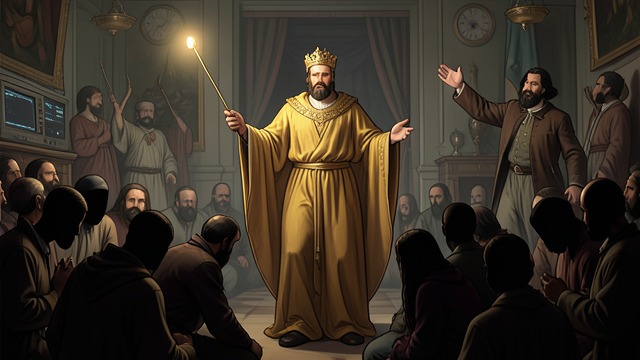
The King’s False Confidence
Appearance mistaken for ability
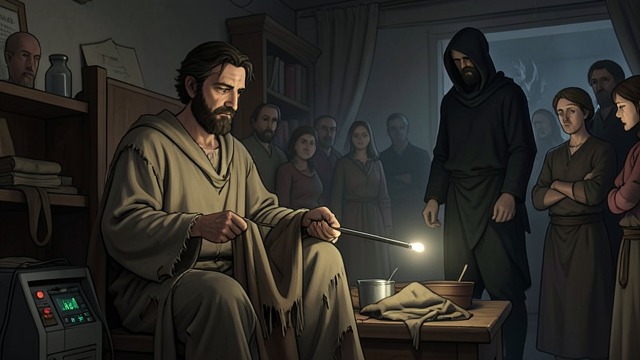
The King assumes that learning gestures and owning a wand can make him a wizard.
Flattery deepens the error
The charlatan encourages the belief for personal gain.
The tale distinguishes authority and props from genuine skill.
The Warlock’s False Security
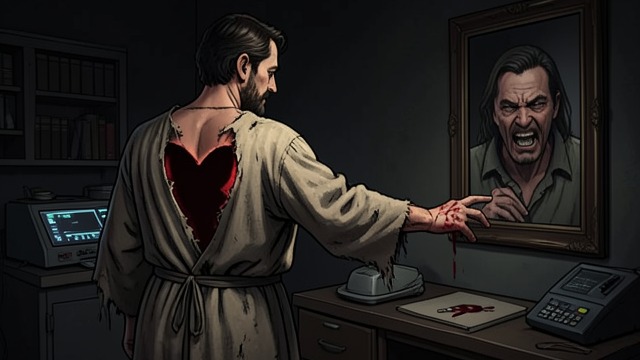
The Warlock’s False Security
Control pursued
The warlock believes he can avoid the risks of love by removing his heart.
Judgment corrupted
His attempt at safety eventually leaves him savage and unable to respond humanely.
The tale depicts self-protection without wisdom as self-destruction.
The Eldest’s Boast
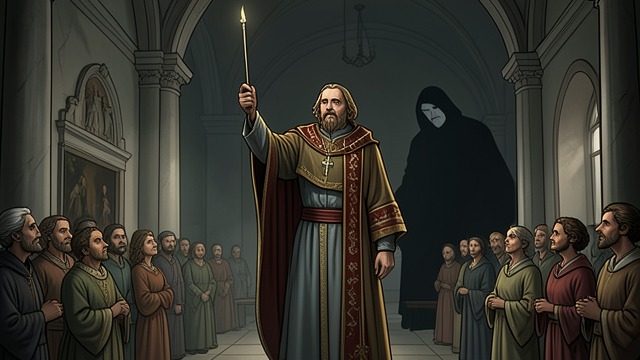
The Eldest’s Boast
Power equated with mastery
The eldest brother believes the Elder Wand makes him unbeatable and advertises his triumph.
Consequences ignored
His confidence fails to account for betrayal and ordinary vulnerability.
The story makes boasting part of the danger he invites.
The Youngest’s Restraint
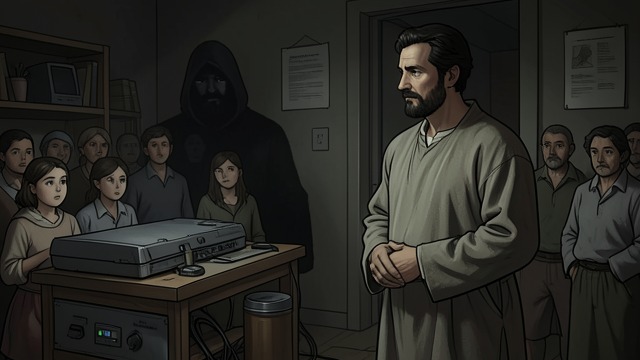
The Youngest’s Restraint
Suspicion exercised
The youngest brother does not trust Death and asks only to leave without being followed.
A limited aim
He seeks delay rather than victory or resurrection.
His modest request shows wisdom as an understanding of what cannot be controlled.
Dumbledore’s Self-Assessment
Dumbledore’s Self-Assessment
Temptation admitted
Dumbledore says that even he would find it easiest to refuse the Cloak, implying he would be tempted by the other gifts.
Humility as knowledge
He does not claim exemption from human weakness.
The conclusion makes wisdom a practice of recognizing one’s vulnerability, not a possession of the already powerful.
During his first lessons
When he chooses to lock away his heart
After the eldest brother’s victorious duel
During Death’s offer of gifts
At the close of his Three Brothers commentary
